อ เครื่องฟอกอากาศ สามารถเริ่มปรับปรุงคุณภาพอากาศภายในได้ 20 นาทีถึง 3 ชั่วโมง สำหรับการเปลี่ยนแปลงระดับอนุภาคในอากาศที่วัดได้ครั้งแรก แต่ให้ความรู้สึกของอากาศและวิธีหายใจที่ดีขึ้นอย่างเห็นได้ชัดและยั่งยืน ใช้งานได้ต่อเนื่อง 24 ถึง 72 ชั่วโมง ในสภาพแวดล้อมบ้านและสำนักงานส่วนใหญ่ เพื่อประโยชน์ที่ลึกยิ่งขึ้น — ลดอาการภูมิแพ้ ลดระดับ VOC และกำจัดกลิ่นสม่ำเสมอ — คนส่วนใหญ่เริ่มรับรู้ถึงความแตกต่างที่มีความหมายหลังจากนั้น 3 ถึง 7 วัน ของการเปิดเครื่องฟอกอากาศให้เหมาะสมกับขนาดห้อง การทำความเข้าใจว่าเหตุใดไทม์ไลน์จึงแตกต่างกันไปช่วยให้คุณกำหนดความคาดหวังที่เป็นจริง เพิ่มประสิทธิภาพตำแหน่ง และรับประโยชน์สูงสุดจากการลงทุนของคุณ
เนื้อหา
ตั้งแต่บัดนี้เป็นต้นไป เครื่องฟอกอากาศ เมื่อเปิดเครื่อง จะเริ่มอากาศในห้องรับแขกผ่านระบบกรอง และนำอากาศที่สะอาดกว่ากลับคืนสู่ห้อง ความเร็วที่คุณภาพอากาศในห้องจะดีขึ้นในระยะเริ่มต้นนี้ขึ้นอยู่กับปัจจัยหลักประการหนึ่ง นั่นคือ ความสัมพันธ์ระหว่างอัตราการสร้างอากาศบริสุทธิ์ (CADR) ของเครื่องฟอกอากาศกับปริมาตรห้องที่ถูกขอให้ทำความสะอาด
CADR วัดเป็นลูกบาศก์เมตรต่อชั่วโมง (ลบ.ม./ชม.) หรือลูกบาศก์ฟุตต่อนาที (CFM) และแสดงถึงปริมาตรอากาศสะอาดที่เครื่องฟอกอากาศผลิตได้ที่การตั้งค่าพิกัด เครื่องฟอกอากาศที่มี CADR 300 ลบ.ม./ชม. ในห้องขนาด 15 ตารางเมตรที่มีเพดานสูง 2.5 เมตร (ปริมาตรรวม 37.5 ลบ.ม.) จะหมุนเวียนปริมาตรอากาศของทั้งห้องโดยประมาณ 8 ครั้งในชั่วโมงแรก ทำให้เกิดการปรับปรุงเบื้องต้นอย่างรวดเร็ว เครื่องฟอกอากาศแบบเดียวกันในห้องขนาด 50 ตารางเมตรหมุนเวียนอากาศเพียง 2.4 ครั้งต่อชั่วโมง ซึ่งสตาร์ทได้ช้ากว่ามาก
ในทางปฏิบัติ เครื่องฟอกที่มีขนาดถูกต้องซึ่งทำงานด้วยการตั้งค่าความเร็วสูงสุดในห้องปิดจะช่วยลดระดับ PM2.5 (อนุภาคละเอียด) ได้ 50 ถึง 70% ภายใน 30 นาทีแรก ภายใต้สภาวะมลภาวะภายในอาคารโดยทั่วไป ตามการวัดที่เผยแพร่โดยห้องปฏิบัติการแห่งชาติ Lawrence Berkeley (ที่มา: ห้องปฏิบัติการแห่งชาติ Lawrence Berkeley, คุณภาพอากาศภายในอาคารและเครื่องฟอกอากาศแบบพกพา, รายงาน LBNL, 2020)
24 ชั่วโมงแรกของการทำงานต่อเนื่องคือเมื่อเครื่องฟอกอากาศเปลี่ยนจากการลดมลภาวะจากปฏิกิริยาไปเป็นการสร้างพื้นฐานการปนเปื้อนที่ลดลงอย่างสม่ำเสมอทั่วทั้งห้อง ในระหว่างขั้นตอนนี้ เครื่องฟอกอากาศจะทำงานโดยเทียบกับแหล่งกักเก็บอนุภาคที่ตกตะกอนและแขวนลอยใหม่ในห้อง — ฝุ่นบนพื้นผิว สารก่อภูมิแพ้ที่ฝังอยู่ในผ้า และสารมลพิษที่ดูดซับบนเฟอร์นิเจอร์และผนังซึ่งจะค่อยๆ ปล่อยก๊าซกลับเข้าสู่อากาศในห้อง
อากาศภายในอาคารไม่ใช่สภาพแวดล้อมที่คงที่ แม้ในห้องปิด อนุภาคจะเกาะและแขวนลอยจากพื้นผิวอย่างต่อเนื่องในขณะที่ผู้คนเคลื่อนที่ ระบบ HVAC ทำงาน และกระแสอากาศจากการทำความร้อนและความเย็นทำให้เกิดความวุ่นวาย ในช่วง 24 ชั่วโมงแรก เครื่องฟอกอากาศจะต้องดำเนินการไม่เพียงแต่ปริมาณมลพิษในอากาศเริ่มต้นเท่านั้น แต่ยังรวมถึงอนุภาคที่แขวนลอยกลับคืนมาจากพื้นผิวของห้องอย่างต่อเนื่อง
ผลการวิจัยจากวารสารวิจัยสิ่งแวดล้อมและสาธารณสุขนานาชาติ พบว่า การใช้เครื่องฟอกอากาศ HEPA อย่างต่อเนื่องเป็นเวลา 24 ชั่วโมง ลดความเข้มข้นของ PM2.5 ลงได้เฉลี่ย 68% ในห้องนอนที่อยู่อาศัย เทียบกับการลดลง 35% หลังจากใช้งานเพียง 2 ชั่วโมงในห้องเดียวกัน การปรับปรุงอย่างต่อเนื่องเกือบสองเท่าจากการดำเนินงานที่ยั่งยืนนี้ สะท้อนให้เห็นถึงไดนามิกของการแขวนลอยใหม่อย่างต่อเนื่อง ซึ่งเซสชันการทำให้บริสุทธิ์ในช่วงสั้นๆ ไม่สามารถจัดการได้ (ที่มา: วารสารวิจัยสิ่งแวดล้อมและสาธารณสุขนานาชาติ ฉบับที่ 17 ฉบับที่ 9 2563)
ความเร็วของการปรับปรุงในช่วง 24 ชั่วโมงแรกได้รับอิทธิพลอย่างมากจากความสามารถในการปิดผนึกห้องจากมลภาวะใหม่ที่เข้ามาจากภายนอกหรือจากห้องอื่น เครื่องฟอกอากาศที่ทำงานในห้องที่มีหน้าต่างที่เปิดอยู่ ช่องว่างใต้ประตู หรือแหล่งกำเนิดมลพิษ เช่น ผู้สูบบุหรี่ในพื้นที่ใกล้เคียง ห้องครัวที่มีเตาปรุงอาหารแบบไม่มีฝาปิด กำลังต่อสู้กับการต่อสู้อย่างต่อเนื่องกับการปนเปื้อนใหม่ๆ ซึ่งทำให้อัตราการปรับปรุงโดยรวมช้าลงอย่างมีนัยสำคัญ
การปิดหน้าต่าง การใช้เครื่องกั้นประตู และลดแหล่งกำเนิดมลภาวะใหม่ๆ ในช่วง 24 ชั่วโมงแรก ลดเวลาในการบรรลุคุณภาพอากาศเป้าหมายได้ประมาณ 40% เมื่อเปรียบเทียบกับการใช้เครื่องฟอกอากาศในห้องที่ไม่มีการปิดผนึกซึ่งมีระดับมลพิษภายนอกโดยรอบใกล้เคียงกัน (ที่มา: วารสารอาคารและสิ่งแวดล้อม, ประสิทธิผลของเครื่องฟอกอากาศแบบพกพาในที่พักอาศัย, ฉบับที่ 195, 2021)
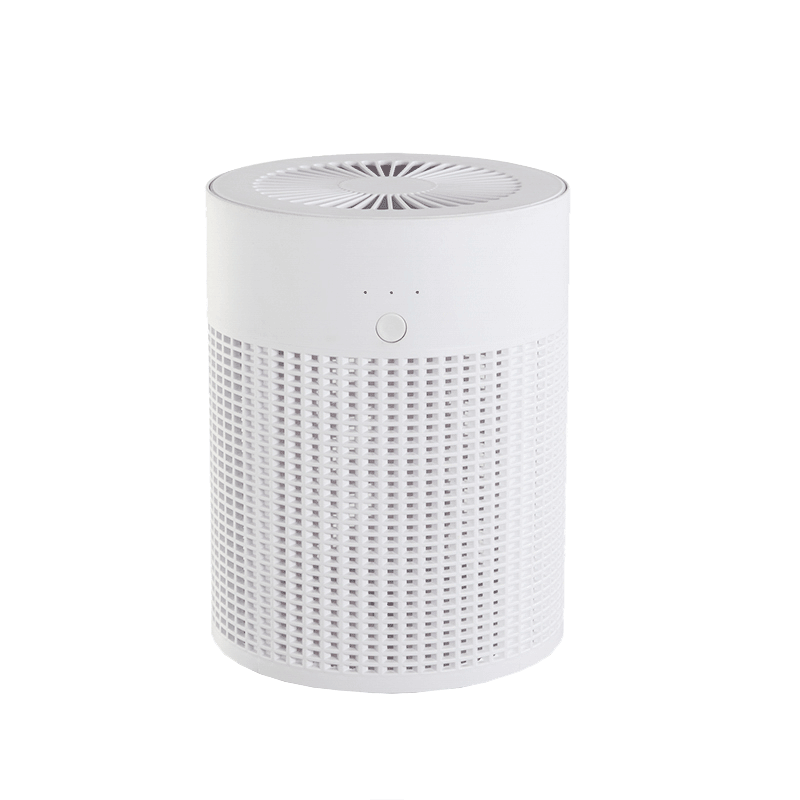
กรอบเวลา 1 ถึง 7 วันคือเมื่อส่วนใหญ่ เครื่องฟอกอากาศ ขั้นแรกผู้ใช้จะสังเกตเห็นการปรับปรุงความรู้สึกและส่งผลกระทบต่ออากาศในพื้นที่บริสุทธิ์ ไทม์ไลน์นี้สอดคล้องกับการตอบสนองของร่างกายต่อระดับสารก่อภูมิแพ้และสารระคายเคืองที่ลดลงอย่างต่อเนื่อง มากกว่าการลดอนุภาคที่วัดได้ซึ่งเกิดขึ้นเร็วกว่ามาก
การตอบสนองต่อภูมิแพ้ต่อสารก่อภูมิแพ้ในร่ม เช่น อนุภาคไรฝุ่น สะเก็ดผิวหนังของสัตว์เลี้ยง สปอร์ของเชื้อรา และละอองเกสรดอกไม้ จำเป็นต้องมีเกณฑ์ขั้นต่ำในการลดการสัมผัสอย่างต่อเนื่อง ก่อนที่การตอบสนองการอักเสบของร่างกายจะเริ่มลดลง นักภูมิคุ้มกันวิทยาส่วนใหญ่ระบุก ระยะเวลา 48 ถึง 96 ชั่วโมงของระดับสารก่อภูมิแพ้ที่ลดลงอย่างต่อเนื่อง เป็นขั้นต่ำที่จำเป็นก่อนที่จะรับรู้ถึงการปรับปรุงอาการ นี่คือสาเหตุที่ผู้ป่วยโรคภูมิแพ้ที่ใช้เครื่องฟอกอากาศเพียงไม่กี่ชั่วโมงและสังเกตว่าไม่มีการบรรเทาอาการใดๆ มักท้อแท้ก่อนเวลาอันควร — เส้นเวลาทางชีวภาพสำหรับการตอบสนองตามอาการนั้นยาวกว่าเส้นเวลาทางกายภาพในการปรับปรุงคุณภาพอากาศ
การศึกษาทางคลินิกที่ตีพิมพ์ในวารสาร Journal of Allergy and Clinical Immunology พบว่า ผู้ป่วยโรคภูมิแพ้ที่ใช้เครื่องฟอกอากาศ HEPA ต่อเนื่อง 7 วัน พบว่าคะแนนอาการจมูกลดลง 28% เมื่อเปรียบเทียบกับกลุ่มควบคุมที่ใช้เครื่องกรองหลอก โดยการปรับปรุงส่วนใหญ่เกิดขึ้นระหว่างวันที่ 3 ถึง 7 แทนที่จะเป็นใน 48 ชั่วโมงแรก (ที่มา: Journal of Allergy and Clinical Immunology ปีที่ 115 ฉบับที่ 2 พ.ศ. 2548)
ผู้ใช้หลายคนรายงานว่าคุณภาพการนอนหลับที่ดีขึ้นเป็นหนึ่งในประโยชน์แรกๆ ที่พวกเขาสังเกตเห็นจากการเปิดเครื่องฟอกอากาศในห้องนอนข้ามคืน ผลกระทบส่วนหนึ่งมีสาเหตุมาจากระดับสารก่อภูมิแพ้ที่ลดลงระหว่างการนอนหลับ และส่วนหนึ่งมาจากเสียงสีขาวสม่ำเสมอของพัดลมเครื่องฟอกอากาศ ซึ่งปิดบังเสียงรอบข้างที่ก่อกวน การศึกษาที่ตีพิมพ์ใน Sleep Medicine Reviews พบว่า ผู้เข้าร่วมที่นอนหลับในห้องที่มีเครื่องฟอกอากาศให้คะแนนคุณภาพการนอนหลับของตนสูงขึ้น 18% หลังจาก 5 คืน เมื่อเทียบกับสัปดาห์พื้นฐานที่ไม่มีเครื่องฟอก โดยคะแนนความแออัดของจมูกดีขึ้น 23% (ที่มา: รีวิวยานอนหลับ คุณภาพอากาศในห้องนอน และผลลัพธ์การนอนหลับ ฉบับที่ 38, 2018)
กลิ่นภายในอาคารที่คงอยู่ — จากการทำอาหาร สัตว์เลี้ยง ยาสูบ ผลิตภัณฑ์ทำความสะอาด และวัสดุที่ไม่มีก๊าซ — จำเป็นต้องใช้ความสามารถในการกรองถ่านกัมมันต์เพื่อจัดการอย่างมีประสิทธิภาพ เนื่องจากการกรอง HEPA เพียงอย่างเดียวไม่สามารถดักจับสารประกอบที่เป็นก๊าซได้ เครื่องฟอกอากาศที่มีทั้งแผ่นกรอง HEPA และถ่านกัมมันต์จะลดกลิ่นภายในอย่างเห็นได้ชัด 24 ถึง 48 ชั่วโมง สำหรับแหล่งกลิ่นปานกลาง สำหรับแหล่งที่มาของกลิ่นรุนแรง เช่น ห้องที่มีสัตว์เลี้ยงอยู่หรือสภาพแวดล้อมหลังการปรุงอาหาร ไทม์ไลน์จะขยายไปยัง 3 ถึง 5 วัน ของการทำงานต่อเนื่องก่อนที่ระดับกลิ่นพื้นหลังจะลดลงอย่างต่อเนื่อง
หลังจากสัปดาห์แรกไปแล้ว ผู้ใช้ที่รักษาการทำงานของเครื่องฟอกอากาศอย่างต่อเนื่องจะรายงานคุณประโยชน์เพิ่มเติมที่ค่อยๆ พัฒนาขึ้นและได้รับการบันทึกไว้อย่างดีในการศึกษาคุณภาพอากาศในระยะยาว:
มลพิษที่แตกต่างกันตอบสนองต่อการฟอกอากาศด้วยความเร็วที่ต่างกัน ตารางนี้สรุปลำดับเวลาโดยทั่วไปตั้งแต่การเริ่มต้นเครื่องฟอกอากาศไปจนถึงการปรับปรุงที่สำคัญสำหรับมลพิษภายในอาคารหลักแต่ละประเภท:
| ประเภทมลพิษ | จำเป็นต้องมีตัวกรอง | ส่วนลดเริ่มต้น (50%) | การปรับปรุงที่เห็นได้ชัดเจน | เส้นฐานระดับต่ำที่ยั่งยืน |
|---|---|---|---|---|
| อนุภาคละเอียด PM2.5 | HEPA H13 หรือสูงกว่า | 30 ถึง 60 นาที | 4 ถึง 12 ชั่วโมง | 24 ถึง 48 ชั่วโมง continuous |
| สะเก็ดผิวหนังและเส้นผมของสัตว์เลี้ยง | แผ่นกรองล่วงหน้า HEPA | 1 ถึง 3 ชั่วโมง | 2 ถึง 4 วัน | ต่อเนื่องกัน 5 ถึง 7 วัน |
| สารก่อภูมิแพ้จากไรฝุ่น | HEPA H13 หรือสูงกว่า | 2 ถึง 4 ชั่วโมง | 3 ถึง 7 วัน | ต่อเนื่องกัน 7 ถึง 14 วัน |
| เกสรดอกไม้ (ตามฤดูกาล) | HEPA H13 หรือสูงกว่า | 30 ถึง 90 นาที | 24 ถึง 72 ชั่วโมง | 24 ถึง 48 ชั่วโมง (windows closed) |
| กลิ่นจากการปรุงอาหาร | ถ่านกัมมันต์ HEPA | 30 ถึง 60 นาที | 1 ถึง 3 ชั่วโมง | 3 ถึง 8 ชั่วโมงหลังจากแหล่งหยุดทำงาน |
| กลิ่นสัตว์เลี้ยง (ถาวร) | ถ่านกัมมันต์ HEPA | 4 ถึง 8 ชั่วโมง | 2 ถึง 4 วัน | ต่อเนื่องกัน 5 ถึง 10 วัน |
| ควันบุหรี่ | คาร์บอน HEPA H13 | 30 ถึง 90 นาที | 2 ถึง 6 ชั่วโมง (อนุภาค) | 24 ชม. (อนุภาค); สัปดาห์ (กลิ่น) |
| สารอินทรีย์ระเหย (เฟอร์นิเจอร์ สี) | ถ่านกัมมันต์ (เตียงขนาดใหญ่) | จากวันเป็นสัปดาห์ | 1 ถึง 4 สัปดาห์ | ต่อเนื่องกัน 4 ถึง 8 สัปดาห์ |
| สปอร์ของเชื้อรา | แผ่นกรองล่วงหน้าต้านจุลชีพ HEPA H13 | 1 ถึง 3 ชั่วโมง | 3 ถึง 7 วัน | 2 ถึง 4 สัปดาห์ (รักษาแหล่งที่มาด้วย) |
| แบคทีเรียและไวรัส | HEPA H13 ยูวี-ซี | 1 ถึง 4 ชั่วโมง | ต่อเนื่องด้วยการใช้งานอย่างต่อเนื่อง | ดำเนินไปอย่างต่อเนื่อง |
ระยะเวลาที่จะได้รับผลลัพธ์จากเครื่องฟอกอากาศจะแตกต่างกันอย่างมากโดยขึ้นอยู่กับปัจจัยที่ควบคุมได้และไม่สามารถควบคุมได้ห้าประการ การทำความเข้าใจสิ่งเหล่านี้จะช่วยให้คุณปรับการตั้งค่าให้เหมาะสมเพื่อการปรับปรุงที่เร็วที่สุดเท่าที่จะเป็นไปได้
ปัจจัยที่สำคัญที่สุดที่กำหนดความเร็วของผลลัพธ์คือ CADR ของเครื่องฟอกอากาศเหมาะสมกับขนาดห้องหรือไม่ คำแนะนำมาตรฐานจากสมาคมผู้ผลิตเครื่องใช้ในบ้าน (AHAM) คือการเลือกเครื่องฟอกอากาศที่มี CADR อย่างน้อยสองในสามของพื้นที่ห้องในหน่วยตารางฟุต เครื่องฟอกอากาศที่มีขนาดไม่เล็กสำหรับห้องจะใช้เวลานานกว่าสองถึงสามเท่าเพื่อให้ได้ระดับการปรับปรุงเช่นเดียวกับเครื่องที่มีขนาดถูกต้อง โดยไม่คำนึงถึงคุณภาพของตัวกรอง
| ขนาดห้อง | CADR ขั้นต่ำที่แนะนำ | เวลาที่คาดว่าจะลด PM2.5 ได้ 70% |
|---|---|---|
| ห้องนอน 15 ตร.ม | 150 ถึง 200 ลบ.ม./ชม | 20 ถึง 40 นาที |
| ห้องนั่งเล่น 25 ตร.ม | 250 ถึง 350 ลบ.ม./ชม | 30 ถึง 60 นาที |
| พื้นที่โล่ง 40 ตร.ว | 400 ถึง 500 ลบ.ม./ชม | 45 ถึง 90 นาที |
| พื้นที่ขนาดใหญ่ 60 ตร.ม | 600 ถึง 800 ลบ.ม./ชม | 60 ถึง 120 นาที |
(ที่มา: AHAM CADR Rating และคำแนะนำเกี่ยวกับขนาดห้อง, Association of Home Appliance manufacturers, 2022)
Not all air purifiers use equivalent filters. The filter grade determines both what the purifier captures and how efficiently it does so. The key grades relevant to home air purification are:
Running a purifier on low fan speed significantly extends the time to achieve results. Most purifiers produce 30 to 50% of their rated CADR on medium speed and only 15 to 25% on the lowest speed setting . For initial room clean-up, running the purifier on high for the first 2 to 4 hours and then switching to a lower maintenance speed is the most effective approach — achieving rapid initial improvement while reducing noise and filter wear during continuous overnight operation.
อ air purifier addresses airborne pollutants after they have been generated. It cannot prevent new pollution from forming or entering the room. The time to results is dramatically longer when a continuous pollution source — smoking, high-traffic cooking without extraction, heavy foot traffic bringing in outdoor particles — is present. Controlling pollution at source produces faster and more consistent results than relying on the purifier alone to overcome ongoing high-rate pollution generation.
A partially loaded or overdue-for-replacement filter operates at reduced efficiency. As a HEPA filter accumulates particulate, its flow resistance increases and the purifier's motor delivers less airflow at the same speed setting. Running a purifier with an overloaded filter can reduce effective CADR by 30 to 50% , doubling the time required to achieve the same level of air quality improvement as a new filter. Most manufacturers recommend filter replacement every 6 to 12 months for continuous home use. (Source: Consumer Reports, Air Purifier Filter Performance Testing, Annual Report, 2022)
These steps, taken together, can reduce the time to noticeable results by 40 to 60% compared to a standard default setup:
Because clean air is invisible, many users are uncertain whether their purifier is making a measurable difference. These are reliable indicators that the purifier is working effectively:
The timeline to results described throughout this article assumes the purifier is correctly sized and uses genuine high-grade filtration. Many lower-cost purifiers marketed with HEPA-type claims use filters that fall short of true H13 specification, significantly reducing their effectiveness at the critical 0.1 to 0.3 micron particle range where the most harmful indoor pollutants and allergens are concentrated.
When selecting a purifier, verify these specifications before purchasing:
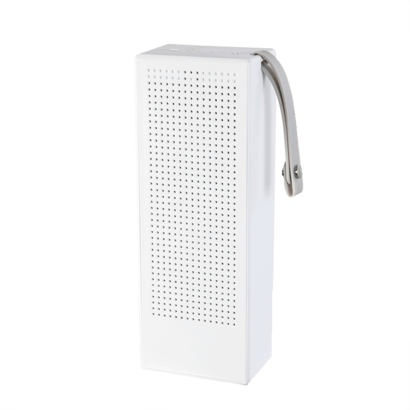
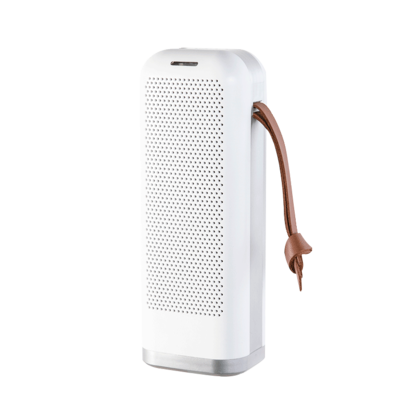
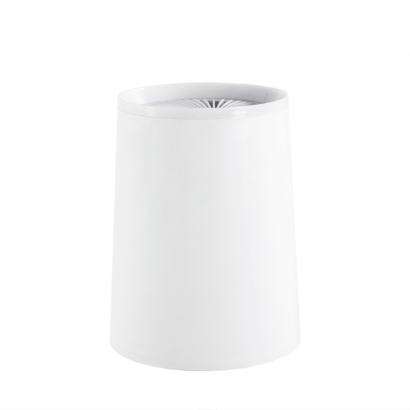
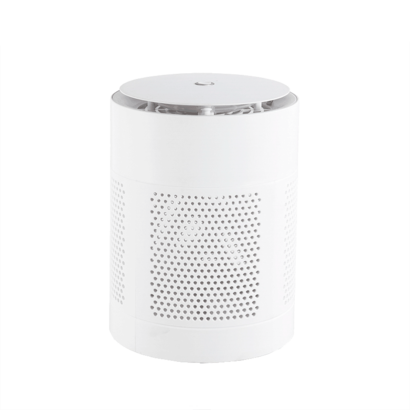
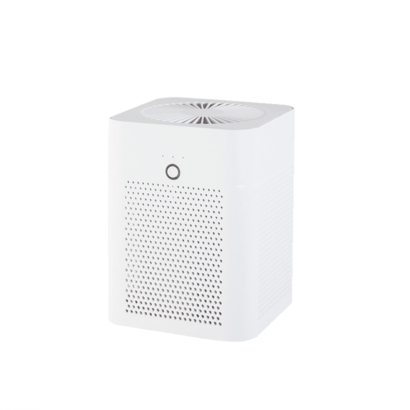
The Xiongwei Air Purifier is engineered to deliver measurable results within the timelines described in this guide — combining true HEPA-grade filtration with adequate CADR for residential and commercial room sizes, activated carbon for gas-phase pollutant reduction, and a low-noise sleep mode for continuous overnight operation. It is designed for users who need reliable, consistent air quality improvement from day one of operation.
| Time Period | What Improves | How Much (Typical) | What You May Notice |
|---|---|---|---|
| 0 to 30 minutes | PM2.5 particles in the immediate area | 30 to 70% reduction | Clearer air; reduced visible dust in sunlight |
| 1 ถึง 4 ชั่วโมง | Overall room particle levels | 50 to 80% reduction in particle count | Fresher feel; acute odors reduced |
| 24 hours | Sustained lower particle and allergen baseline | 65 to 85% sustained reduction | Cleaner feeling air; less dust beginning on surfaces |
| 3 ถึง 7 วัน | Allergy symptoms, sleep quality, pet odors | 20 to 30% symptom score reduction | Less morning congestion; better sleep; reduced pet odor |
| 2 to 4 weeks | VOCs, mold spores, dust accumulation rate | Further sustained reduction | Less frequent dusting; continued allergy improvement |
| 4 to 8 weeks | Maximum allergy benefit; VOC baseline | Full benefit achieved for most pollutants | Consistently cleaner and fresher indoor environment |
The bottom line: an เครื่องฟอกอากาศ starts working immediately, shows measurable air quality improvements within the first hour, and delivers the full range of health and comfort benefits — including allergy symptom reduction, sleep improvement, and sustained lower VOC levels — after 3 to 7 days of continuous operation, with maximum benefit accumulating over the first 4 to 8 weeks. Continuous operation, correct sizing, and proper filter maintenance are the three factors that most determine how quickly and completely you experience those results.

@2020. CIXI XIATIAN เครื่องใช้ไฟฟ้า CO.,LTD. สงวนลิขสิทธิ์. ผู้ผลิตพัดลมไฟฟ้าระดับไฮเอนด์ขายส่ง



 ภาษาอังกฤษ
 한국어
한국어